

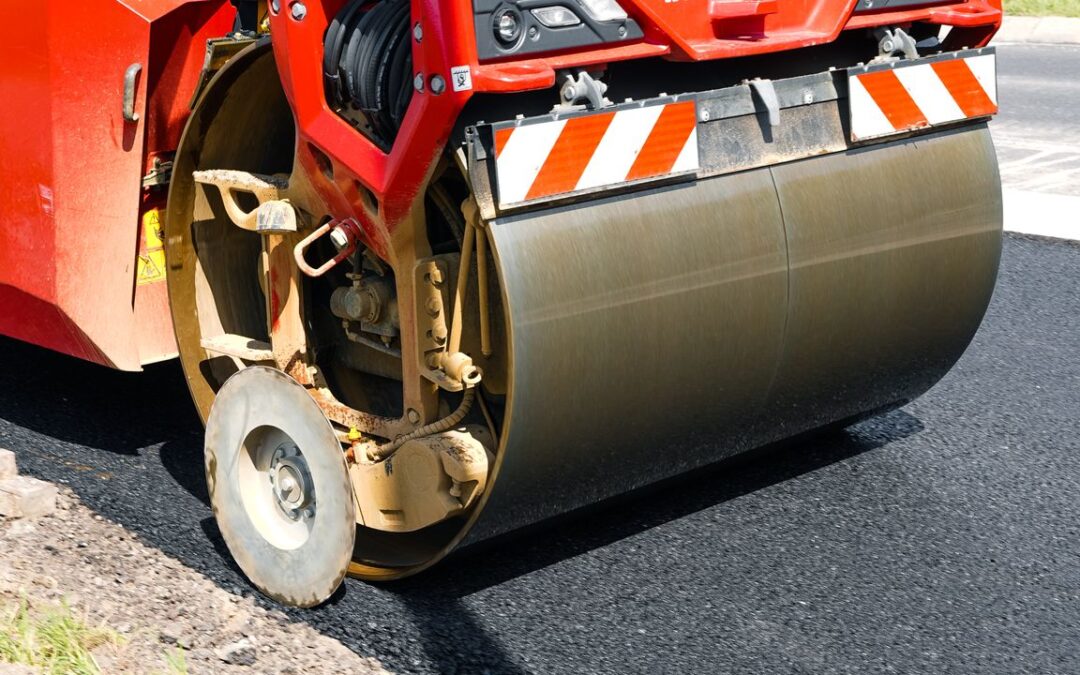
An asphalt driveway experiences daily wear from vehicle traffic, rain, sunlight, and seasonal temperature changes. Over time, its surface may fade, develop cracks, or become uneven. Resurfacing can restore the appearance of an aging driveway, but it is not always the right solution. Understanding the condition of the asphalt beneath the surface helps homeowners choose between an overlay, targeted repairs, and complete replacement.
When Is Driveway Resurfacing a Good Choice?
Resurfacing is often suitable when the existing driveway has a stable foundation but shows signs of surface wear. The process generally involves preparing the old asphalt and applying a fresh layer over it. This option may work well when the driveway has minor cracking, surface discoloration, or general wear from years of use.
A new asphalt layer can create a smoother finish without removing the entire existing pavement. For homeowners planning residential paving work, resurfacing may offer a practical way to improve the driveway’s appearance while making use of a sound existing base.
Signs That Resurfacing May Not Be Enough
Not every damaged driveway can support a new asphalt layer. Problems beneath the surface often require more extensive work. Watch for these warning signs:
- Deep or widespread cracks: These may indicate movement or weakness in the underlying structure.
- Persistent potholes: Repeated pothole formation can point to deeper pavement or drainage problems.
- Sunken sections: Depressions may suggest that the supporting base has shifted or weakened.
- Poor drainage: Standing water can contribute to further deterioration if the underlying grading is incorrect.
- Severe crumbling: Extensive material loss may mean the asphalt has reached the end of its useful life.
Covering these issues with a new layer will not necessarily correct their causes. A professional assessment can help determine whether repairs, base reconstruction, or full replacement is more appropriate.
How Climate and Maintenance Affect the Decision
Toronto’s changing seasons place considerable stress on asphalt. Water can enter cracks, freeze during cold weather, and expand. Repeated freezing and thawing may gradually worsen existing damage.
Regular inspections and timely repairs can help homeowners identify problems before they spread. If the base remains stable, asphalt paving in Toronto may involve resurfacing as part of a broader maintenance plan. However, drainage issues and structural damage should be addressed before a new layer is installed.
The age of the driveway also matters, but age alone should not determine the decision. Its foundation, drainage, traffic load, and maintenance history all influence the most suitable approach.
Should You Choose Asphalt or Interlocking Pavers?
Asphalt offers a continuous, relatively smooth surface, while interlocking driveway pavers provide individual units that can be arranged in different patterns. Pavers may allow localized sections to be lifted and reset when repairs are needed, although they also require proper installation and maintenance.
The right option depends on your budget, preferred appearance, drainage requirements, and long-term plans for the property.
Make the Right Decision for Your Driveway
Resurfacing can extend the usefulness of an asphalt driveway when the underlying structure remains sound. When serious foundation or drainage problems exist, repairing or replacing the damaged sections may provide a more suitable long-term solution. An on-site assessment helps clarify which option fits the driveway’s actual condition.
Give Your Driveway a Fresh Start with West York Paving Ltd!
West York Paving Ltd. has served Toronto and the Greater Toronto Area since 1965, providing residential and commercial paving services. Whether your driveway needs surface improvements, repairs, or a complete rebuild, our team can assess the project and explain the available options. Contact us to request an estimate and plan a driveway improvement that suits your property’s needs.