

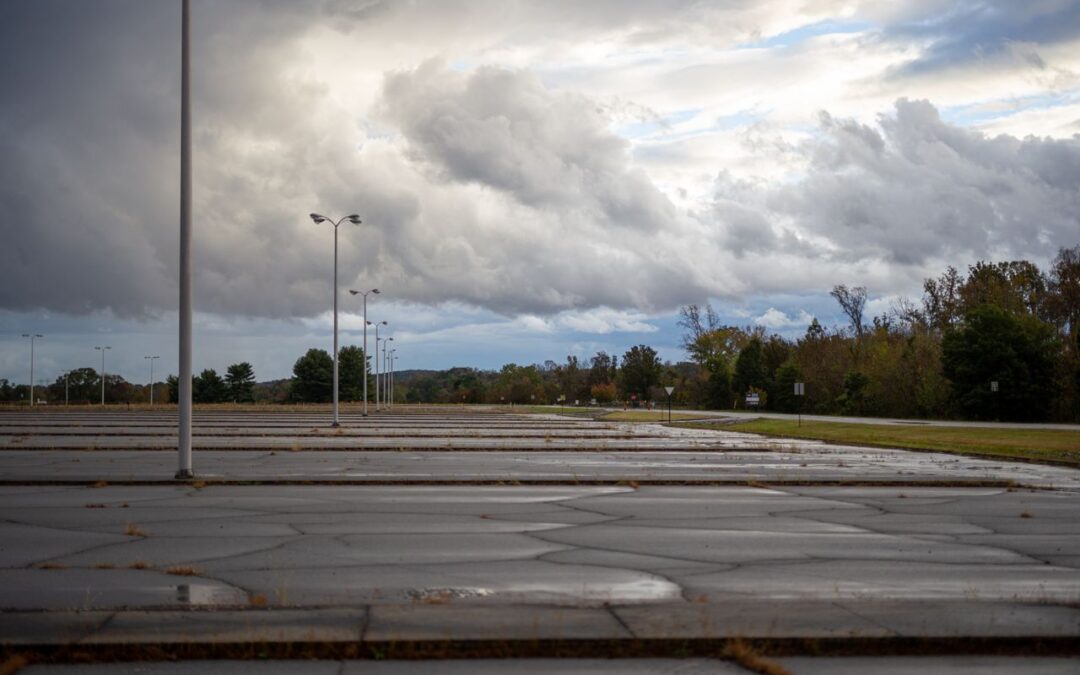
A parking lot experiences constant pressure from vehicles, changing weather, and everyday traffic. Over time, these conditions can weaken the asphalt and create problems that affect safety, drainage, and appearance. Small defects may seem harmless at first, but leaving them untreated can lead to more extensive repairs. Knowing how to recognize early warning signs helps property owners address damage before it becomes a larger maintenance issue.
Look for Cracks in the Asphalt
Cracks are among the earliest signs of parking lot deterioration. Thin cracks may develop as asphalt ages, dries out, or responds to temperature changes. However, interconnected cracks that resemble a net or alligator scales can indicate deeper structural problems.
Inspect high-traffic areas, entrances, exits, and places where vehicles frequently turn or brake. These sections often experience greater stress than other parts of the lot.
Small cracks may be suitable for professional crack sealing, which helps limit water penetration. If the asphalt shows widespread cracking or structural weakness, a more detailed assessment can determine whether patching, resurfacing, or reconstruction is necessary.
Identify Potholes and Uneven Surfaces
Potholes form when water enters the pavement, weakens the underlying layers, and combines with traffic pressure to break apart the surface. Seasonal freezing and thawing can accelerate this process. Uneven pavement, loose asphalt, and sunken sections also deserve attention. These defects can create trip hazards for pedestrians and damage vehicles.
Mark hazardous areas when necessary and arrange repairs promptly rather than waiting for the damage to spread. Experienced professionals providing commercial paving services can assess whether the problem is limited to the surface or extends into the base beneath it.
Check for Standing Water and Drainage Problems
Water that remains on the pavement long after rainfall may indicate poor grading, blocked drains, or depressions in the asphalt. Persistent moisture can gradually weaken the pavement and contribute to cracking and potholes.
Check around catch basins, parking spaces, curbs, and entrances for pooling water. Keep drainage channels clear of debris, and have recurring problems evaluated. Simply filling a low spot may not solve the underlying issue if the pavement needs regrading.
Watch for Fading and Surface Deterioration
Asphalt naturally changes with age and exposure to sunlight. A faded grey appearance, loose aggregate, and a rough surface may indicate oxidation or material breakdown. Sealcoating may help protect suitable asphalt from moisture and ultraviolet exposure, but it is not a substitute for structural repairs.
Damaged areas should be repaired before a protective coating is applied. Regular inspections and timely maintenance can help extend the service life of a lot and reduce the likelihood of disruptive repairs.
When Is Professional Repair Necessary?
The right solution depends on the extent and cause of the damage. Minor cracks may need sealing, isolated potholes may require patching, and widespread deterioration may call for resurfacing or complete replacement.
Professional parking lot paving assessments can help property owners understand the available options, prioritize urgent hazards, and plan work around business operations. Addressing underlying drainage or base failures is especially important for avoiding recurring damage.
Protect Your Pavement Investment With West York Paving Ltd.!
A well-maintained parking lot creates a better experience for customers, visitors, and employees. West York Paving Ltd. provides paving solutions to help property owners maintain functional, durable asphalt surfaces. Whether your lot needs targeted repairs or a broader pavement upgrade, discussing the condition of the surface with our experienced paving team to help you plan the right next steps.