

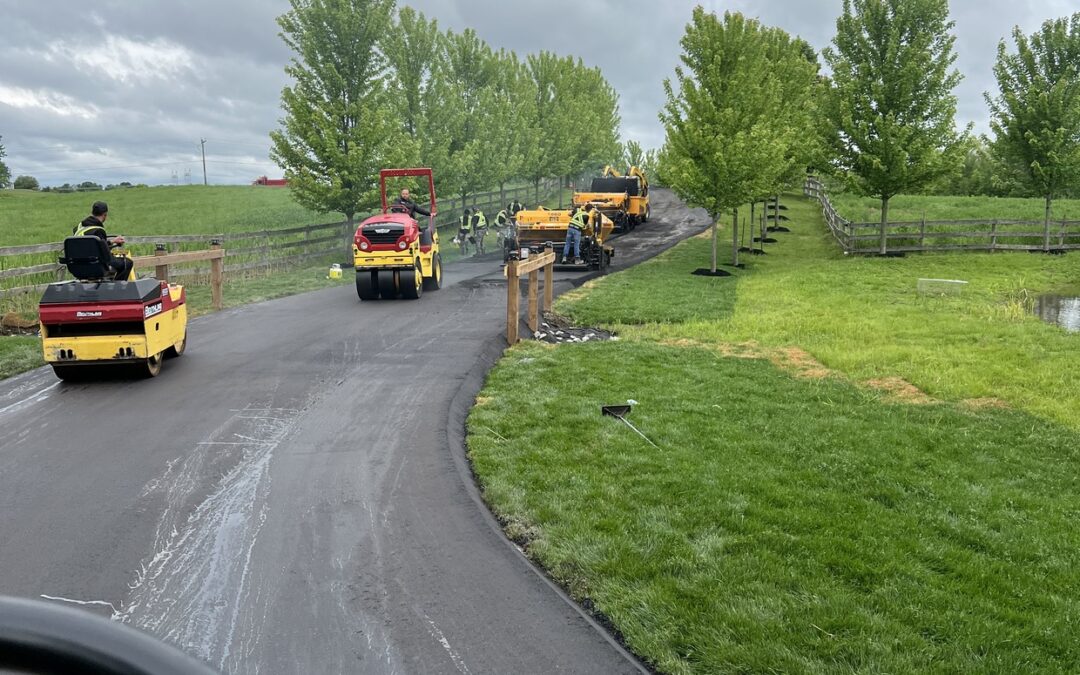
Asphalt paving is a common choice for driveways, parking lots, and private roads because it offers durability, a clean appearance, and relatively quick installation. However, the cost of an asphalt paving project can vary widely from one property to another.
Understanding what influences pricing helps property owners plan realistically and make informed decisions before starting work. Below are the key factors that affect the overall cost of asphalt paving projects.
1. Size and Scope of the Project
One of the most obvious factors influencing cost is the total area that needs to be paved. Larger surfaces require more materials, labour, and equipment time, which naturally increases the overall price. However, the cost per square foot may decrease slightly for larger projects due to efficiencies in material delivery and setup. Smaller projects, such as residential driveways, may have a higher cost per square foot because of fixed mobilization expenses.
2. Site Preparation Requirements
Proper preparation is essential for long-lasting asphalt surfaces. If the existing ground is uneven, poorly compacted, or contains old pavement that must be removed, preparation costs will rise. Excavation, grading, and base installation are critical steps that ensure stability. Projects requiring extensive drainage correction or soil reinforcement will also see higher costs due to additional labour and materials.
3. Thickness of the Asphalt Layer
Not all asphalt surfaces are built the same. The required thickness depends on how the area will be used. Residential driveways typically need thinner asphalt layers compared to commercial parking lots or areas that support heavy vehicles. Thicker asphalt means more material and longer installation time, which directly affects pricing.
4. Quality and Type of Materials
The quality of the asphalt mix plays an important role in pricing. Higher-grade asphalt mixtures may cost more upfront but often provide better resistance to cracking and weather damage. Additives used to improve flexibility or durability in specific climates can also influence cost. Choosing materials that suit local conditions may help reduce long-term maintenance expenses.
5. Accessibility of the Site
Easy access to the paving area helps keep costs manageable. Tight spaces, steep slopes, or locations that restrict equipment movement can increase labour time and complexity. Projects in hard-to-reach areas may require smaller machinery or manual labour, which can raise overall expenses.
6. Drainage and Water Management
Proper drainage is essential for asphalt longevity. If water pools on or beneath the surface, it can weaken the pavement over time. Installing drainage systems, adjusting slopes, or adding catch basins adds to the project cost but helps prevent premature damage. Skipping drainage improvements may reduce initial costs, but can lead to expensive repairs later.
7. Timing and Seasonal Factors
The time of year can also affect pricing. Asphalt paving is best completed during warmer months when temperatures allow proper curing and compaction. High demand during peak seasons may lead to higher costs, while scheduling work during slower periods may provide more flexibility. Weather delays can also affect labour and scheduling expenses.
8. Permits and Local Regulations
Depending on the location and scope of the project, permits or inspections may be required. Permit fees and compliance with local regulations can add to the total cost. Understanding these requirements in advance helps avoid unexpected expenses or project delays.
Plan Your Asphalt Project with Confidence!
If you are considering an asphalt paving project and want clear guidance on costs and options, West York Paving Ltd offers professional paving services backed by experience and attention to detail.